TD Chameleon: E-commerce Platform Design
Designing and building an e-commerce website for the TD Chameleon store in Taiwan
Michael Elizarraraz (Product Designer)
Context and Goal
TD Chameleon hosted their business on Facebook and Instagram to showcase their love for chameleons and make sales. Our goal was to create an e-commerce platform for TD Chameleon that makes buying chameleons and supplies easy for reptile lovers in East Asia.
We created a responsive design which allows users to easily discover products, simplifies the checkout flow and allows for easy order tracking, as well as provides all the necessary information about the animals and their care.
Problem
TD Chameleon did not have an e-commerce platform for chameleon adoption or supplies sales online. Additionally, the client’s goal is to position themselves as a leader in the reptile purchasing industry in East Asia through a streamlined method for marketing and conducting sales.
Audience
The primary user for TD Chameleon’s e-commerce platform are existing and prospective customers and clients who are looking to buy chameleons and chameleon care supplies in Taiwan.
The secondary users are reptile enthusiasts who would be able to read and be informed of the variety of chameleon species, their unique traits and requirements for correct care and maintenance.
My Role: UX Designer
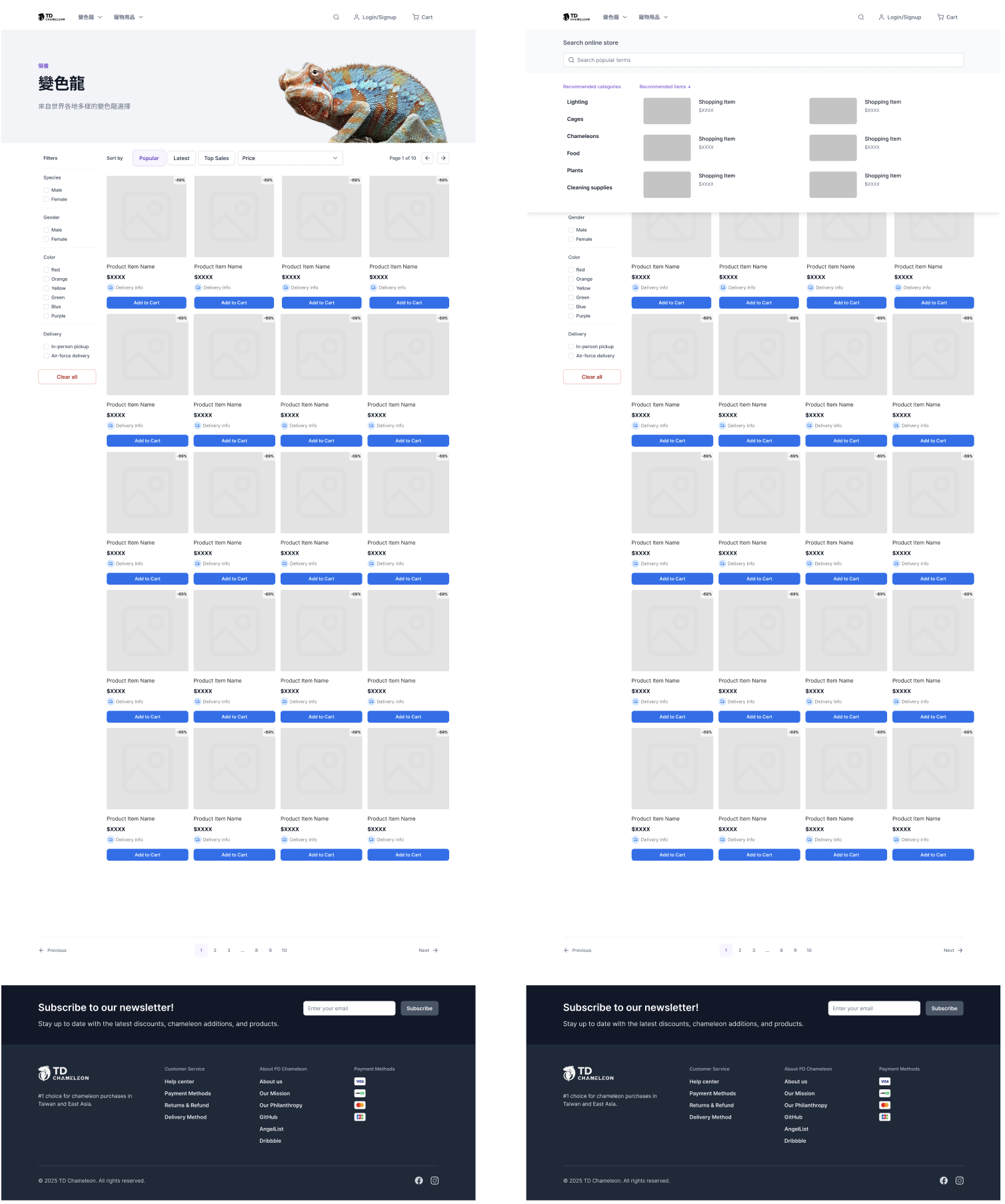
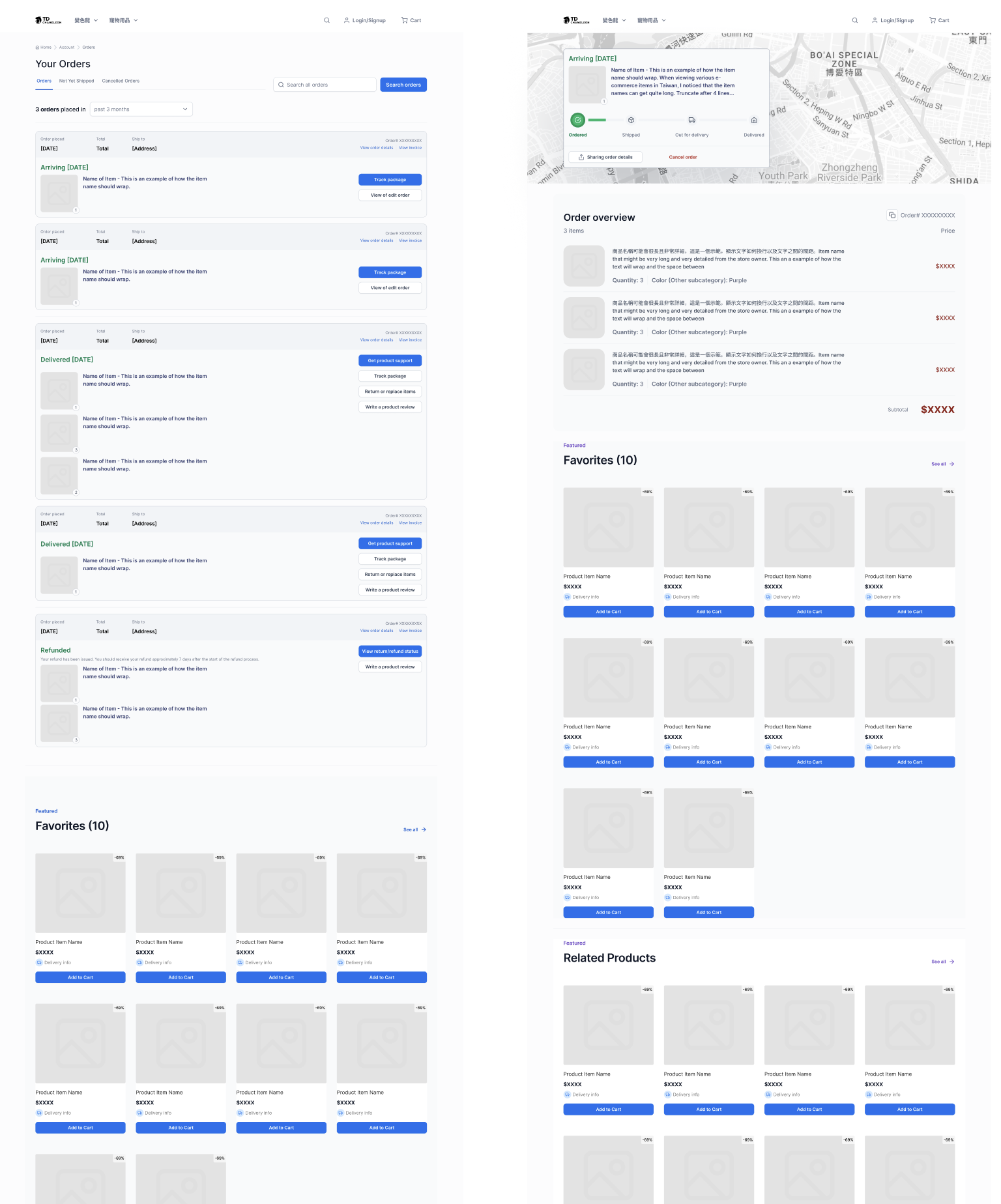
As a UX designer for this project, I competitive analysis to benchmark direct and indirect competitors, identify design patterns, collaborated to define project goals, user needs, and business objectives. I collaborated with a fellow product designer to sketch key user flows, ensuring logical navigation and user satisfaction. I developed mid-fidelity wireframes and prototypes and iterated designs based on user and developer feedback. Currently I am developing this e-commerce website on Hostinger.
Competitive Analysis and Visual Identity Explorations
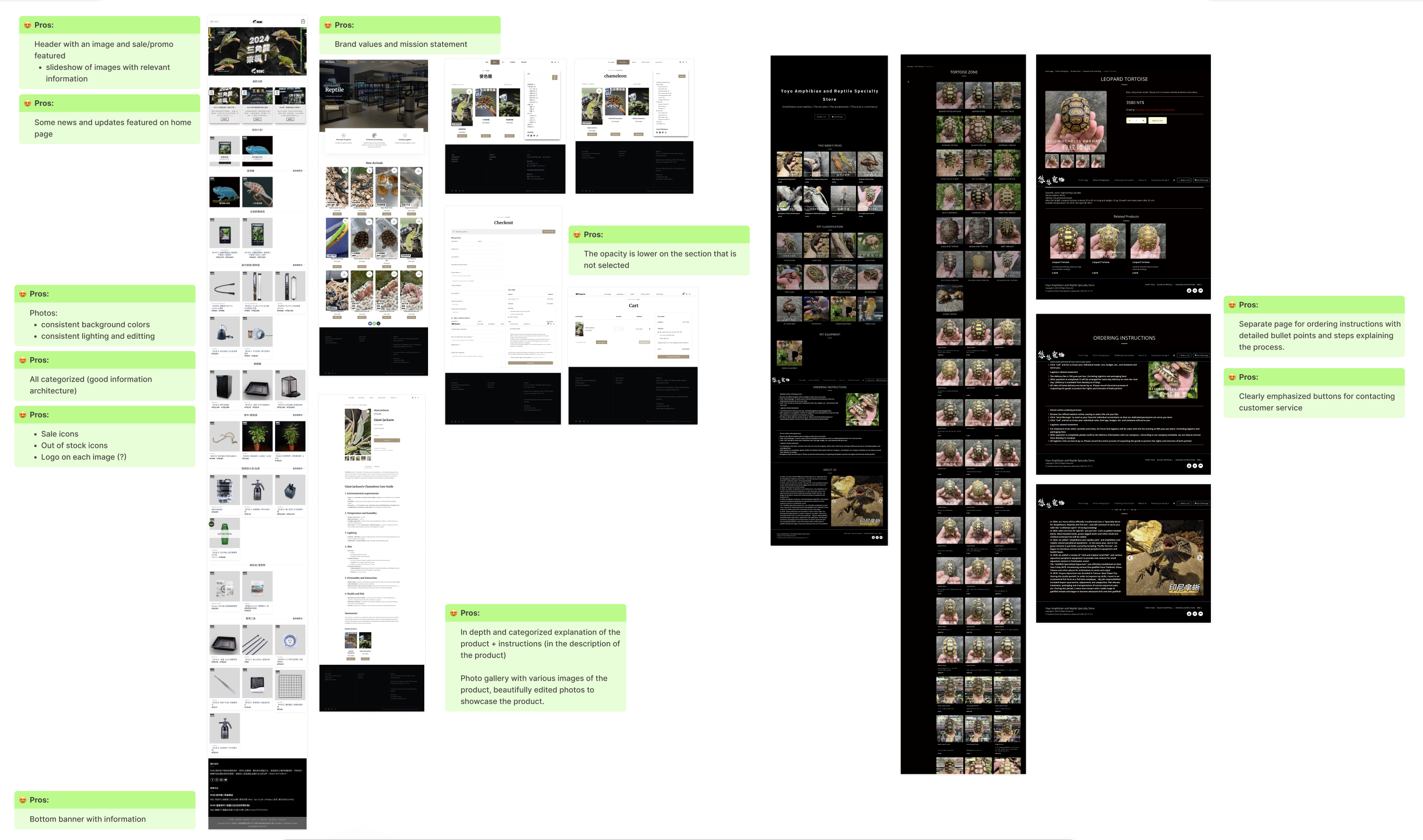
Direct Competitor: RGB Chameleons
TD Chameleon’s biggest direct competitor is RGB Chameleons, the biggest specialised e-commerce store for chameleons in Taiwan. RGBC site offers a practical and minimal browsing experience with a functional visual language that arguably lacks strong visual differentiation, which provided insight into the aspects of the business’s visual identity where TD Chameleon could stand out. Key features of RGBC’s site include species-specific products, care guides, and a basic checkout flow.
Indirect Competitor: Yoyo Aquarium
An indirect competitor to TD Chameleon is Yoyo Aquarium, which appeals to reptile enthusiasts by offering a wide variety of reptiles. Their e-commerce store excels at informative categorisation and educational content. TD Chameleon offers what Yoyo Aquarium lacks - specific information for chameleon enthusiasts and personalised buying experiences for the niche users. Yoyo Aquarium has a consistent visual language which is communicated both through the UX Design and photography. Through the use of vivid photography contributes greatly to the visual language of the brand, which is an approach TD Chameleon could adopt to strengthen their visual identity.
Key challenges
- Learning about east asian UX design practices and audiences.
- Balancing essential educational content with efficient product discovery and checkout flow.
- Visual hierarchy and information overload. This challenge was particularly difficult to handle for me as East Asian UX design practices differ from Western practices in this area.
Prioritisation
- Enhancing brand standards, niche and excellence through visual language and UX design.
- Making educational content accessible without interrupting the commercial funnel.
- Streamlining the purchase process efficiently for an East Asian audience.
Ideation and Key Flows
Search Flow
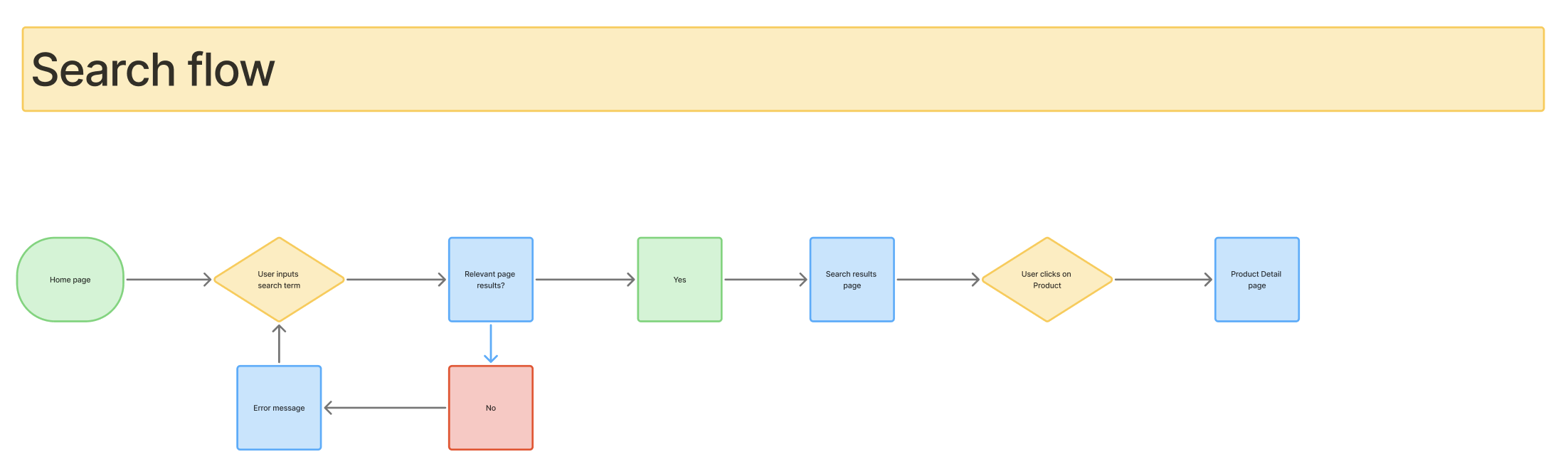
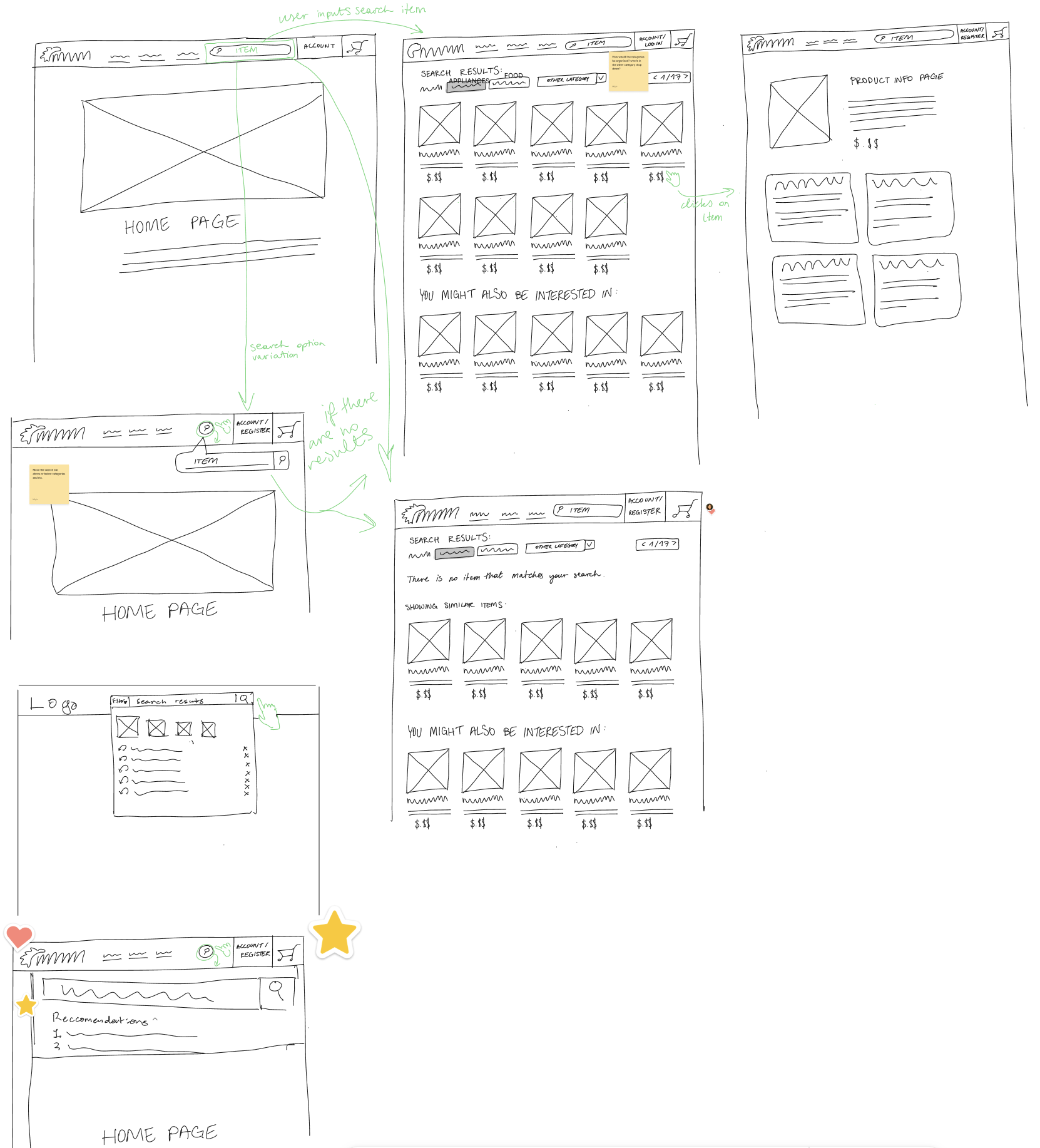
The search flow was one of the most important flows that I took full responsibility of. The way that the search results show up required multiple iterations and feedback from colleagues. I decided to continue with an option that offers both search results and recommended categories when the user is typing to aid the smooth experience of searching for items, and offer available ones if the store does not offer exactly what the user is looking for.
Mid-Fidelity Iterations
Key Screens
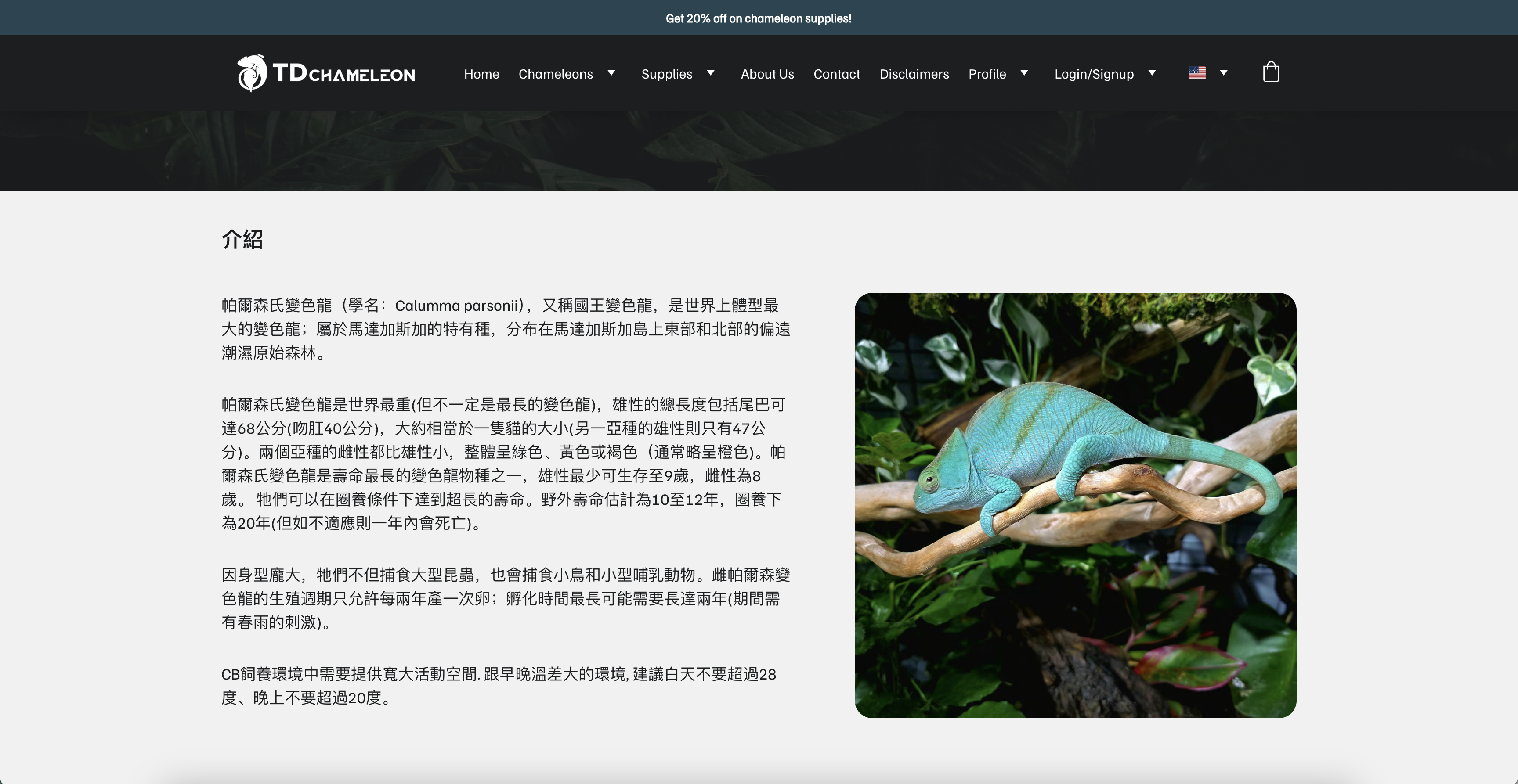
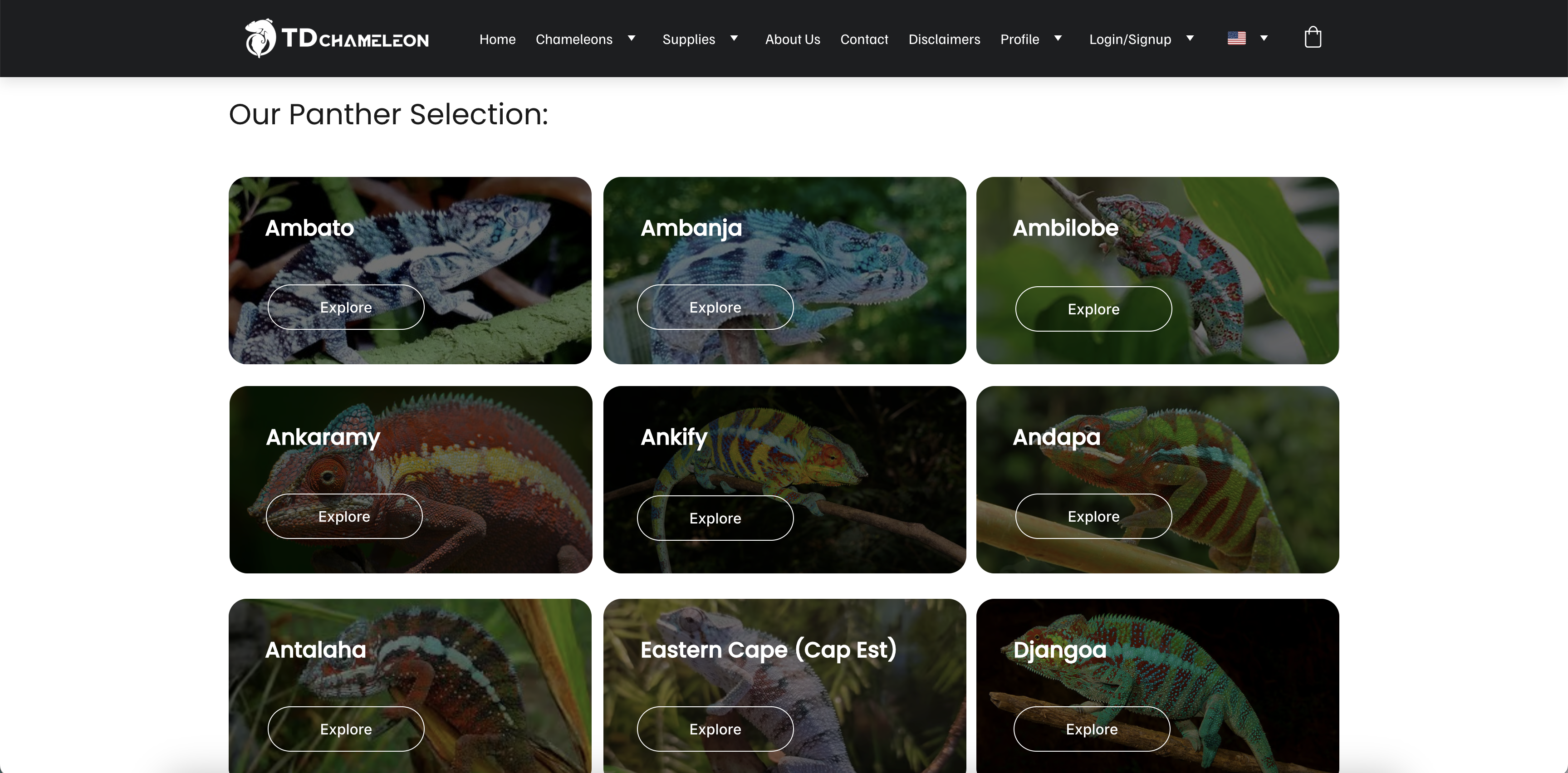
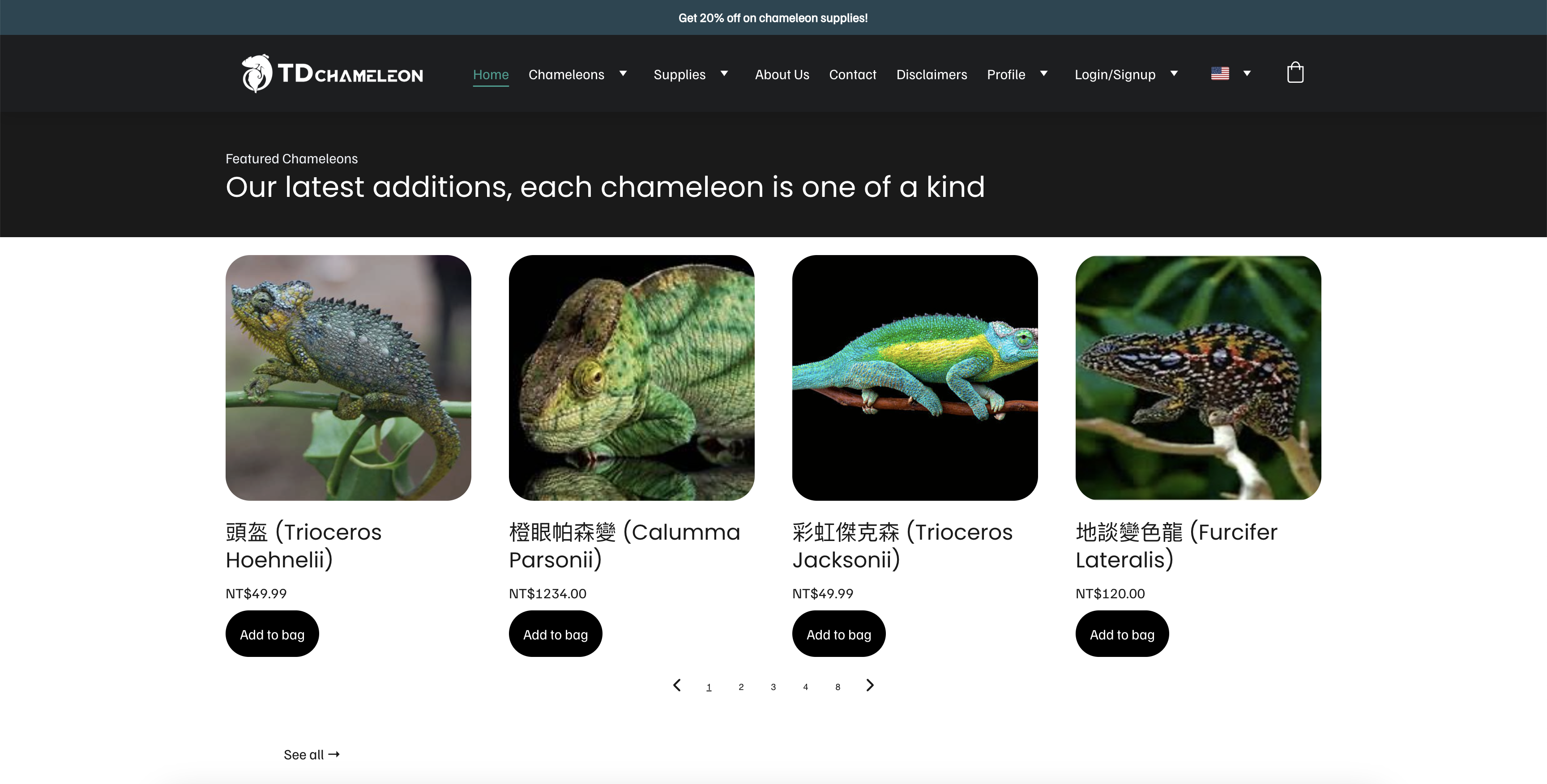
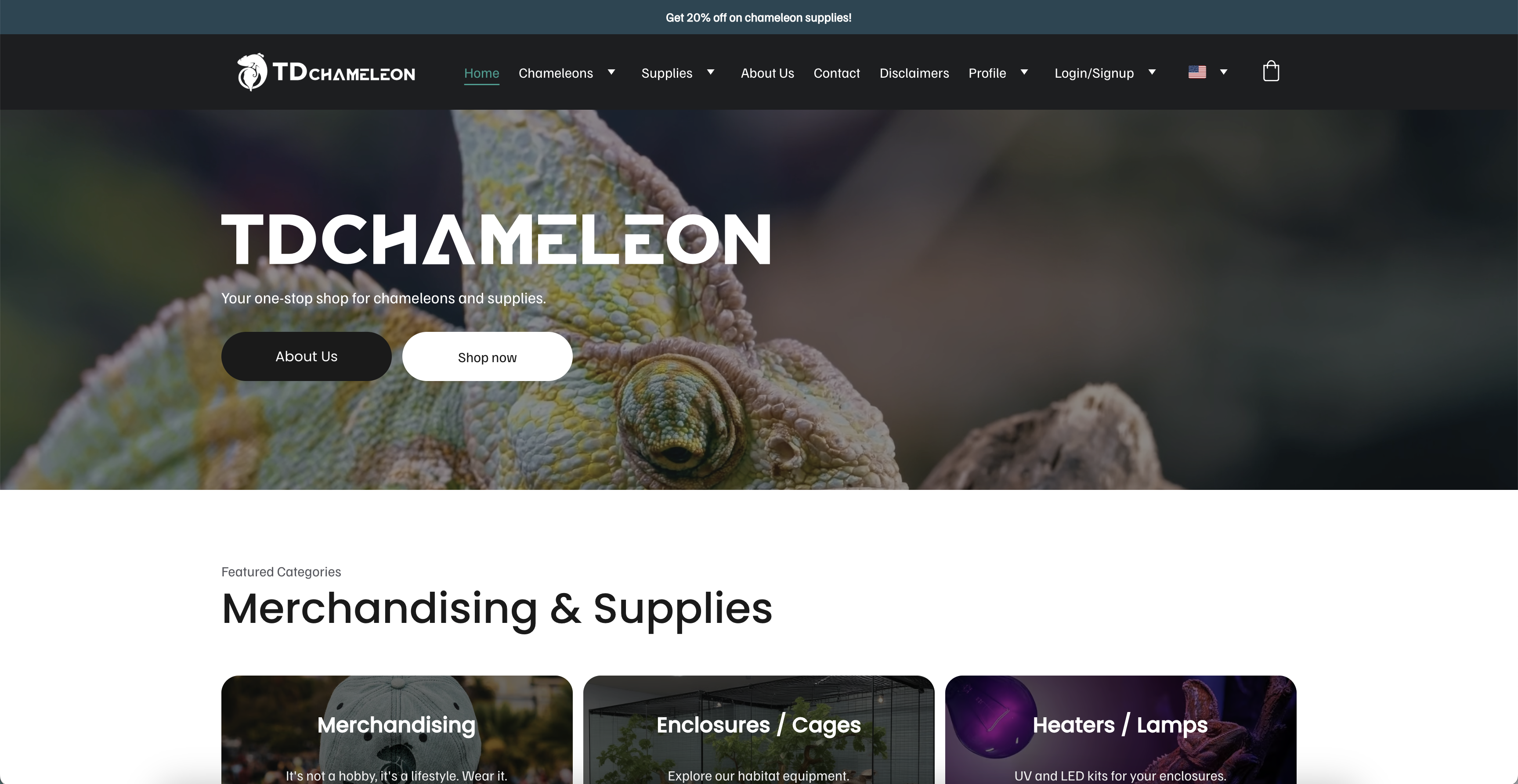
Impact
Project Successes
- Improved perception of the brand by new users - 6 new clients landed within the first four months of publishing
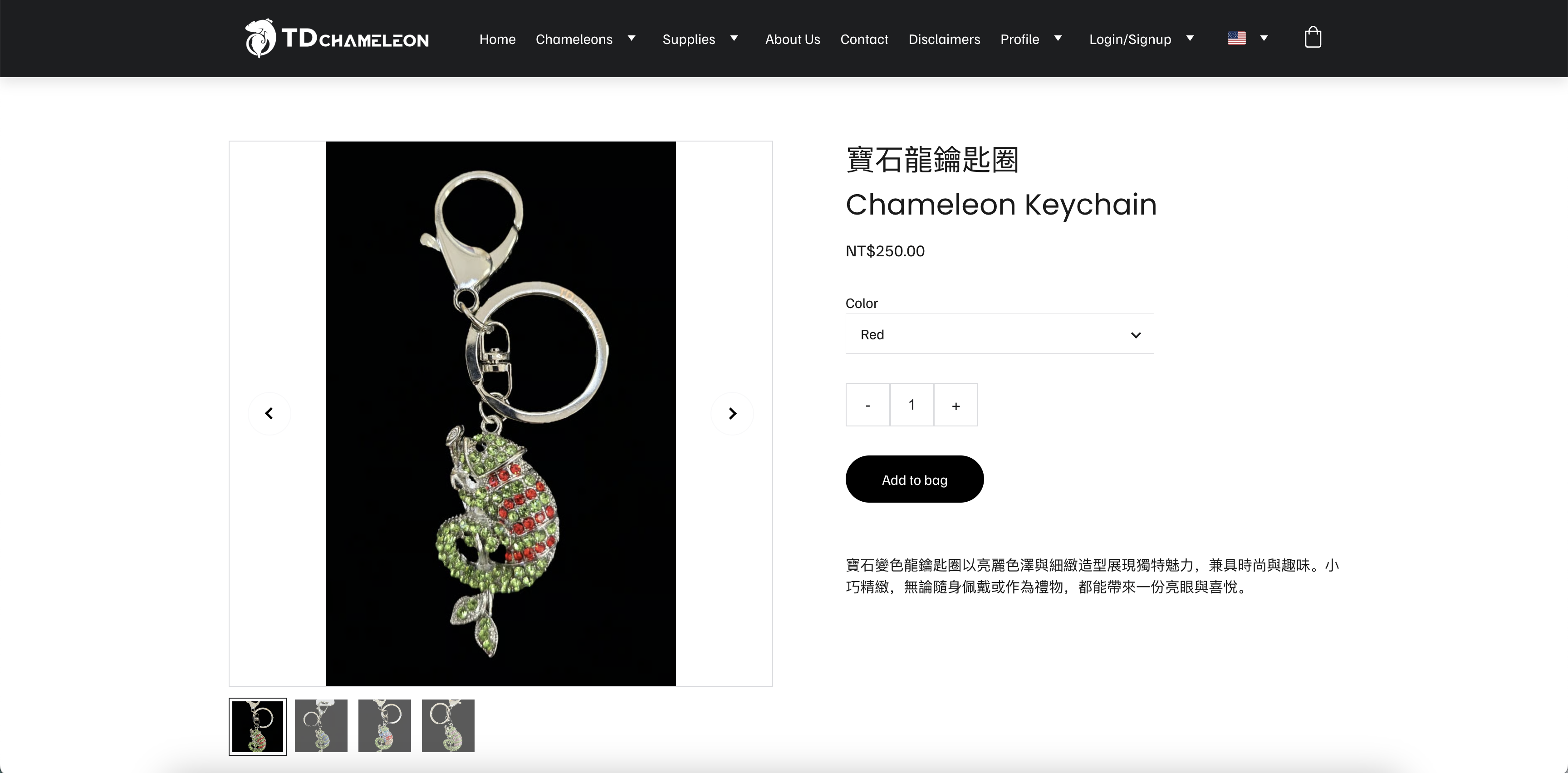
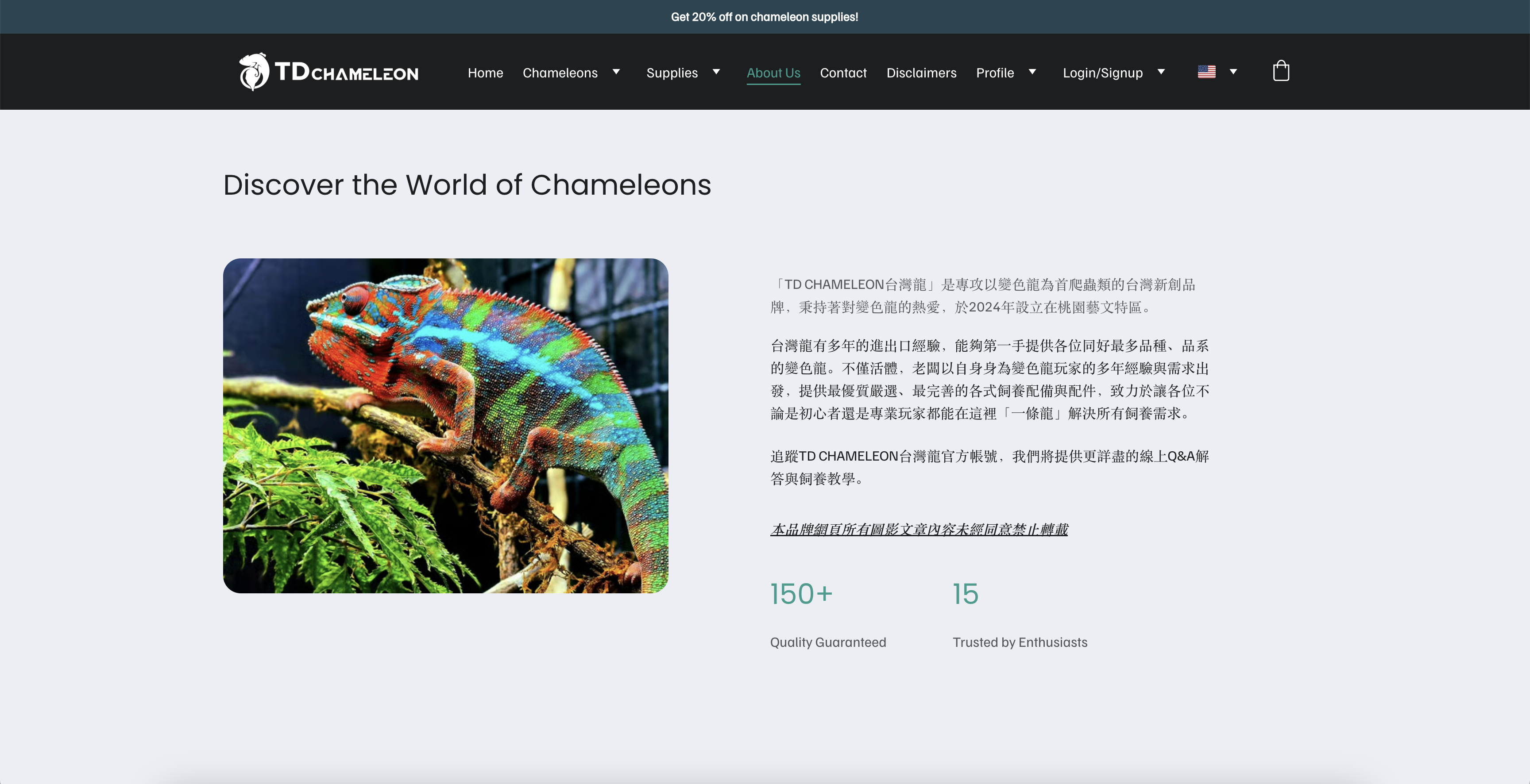
- Design met the brand guidelines and current design trends, this way highlighting the business’ forward-thinking values and drive for innovation
Reflections
It was fascinating to learn about the e-commerce design trends and design practices in East Asia, which differ greatly from Western practices. I have dealt with a similar challenge when working with South American audiences, so approaching this challenge was exciting. Additionally, as user research possibilities were limited due to time constraints, we had to trust our secondary research skills and competitive analysis findings when making design decisions.